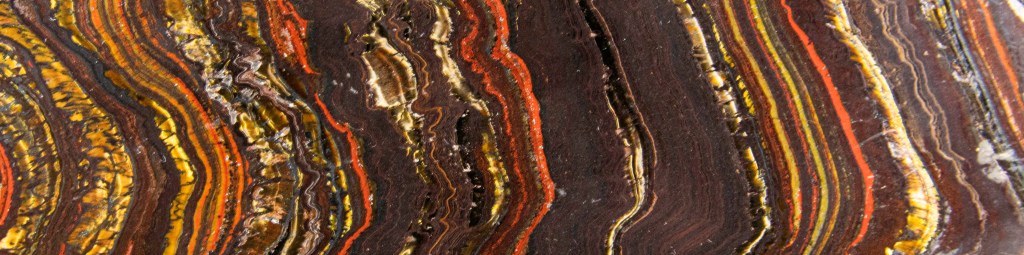
This section will illustrate the oldest rocks found on our planet Earth. Most of the specimens are part of my private collection, and the list is NOT exhaustive.
4.603 Billion years ago
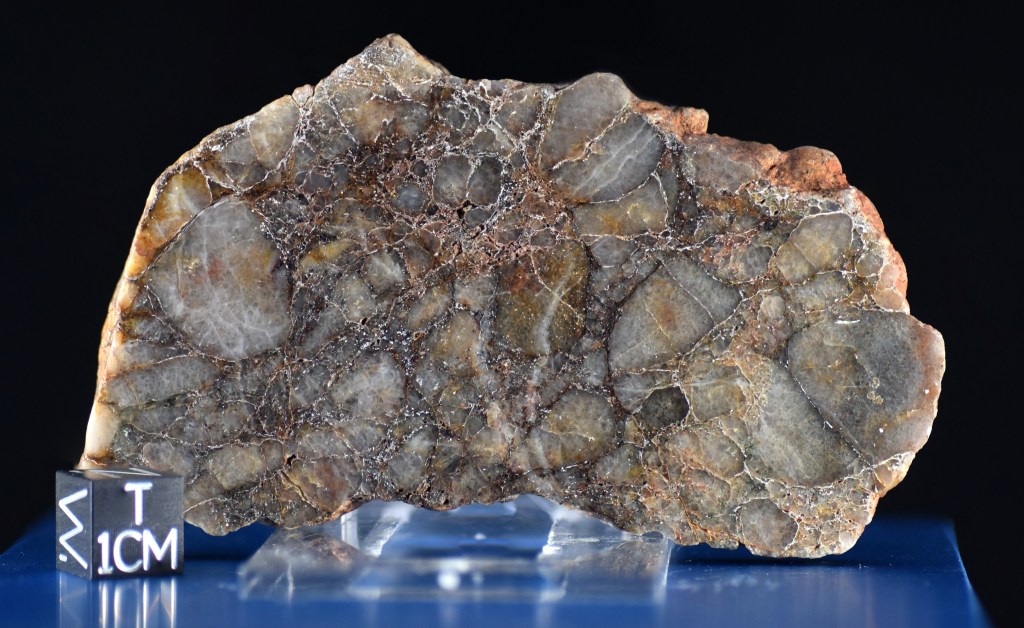
Without a doubt, the oldest rocks known do not originate from our planet but from the early history of our solar system. These materials reach Earth in the form of meteorites, fragments of asteroids or other celestial bodies that regularly intersect Earth’s orbit and are drawn in by gravity. While some meteorites are large enough to be collected and studied as hand specimens, the vast majority arrive as microscopic dust particles, known as micrometeorites, which continuously settle on Earth’s surface.
The specimens presented here originate from Morocco and belong to the class of chondrites. Chondrites are primitive stony meteorites and represent the most abundant type, accounting for approximately 80–86% of all meteorite falls. They are distinguished by the presence of chondrules—small, spherical mineral aggregates that formed as molten droplets in the early solar nebula and cooled rapidly under microgravity conditions. Because chondrites have largely escaped melting and differentiation, they preserve a near-pristine record of the materials and processes active during the formation of the solar system around 4.603 billion years ago.
Chondrites are subdivided into several groups based on their mineralogy and chemistry. Ordinary chondrites (OCs) are the most common and are dominated by silicate minerals such as olivine and pyroxene, along with variable amounts of metallic iron–nickel. In contrast, carbonaceous chondrites, which are rarer, are enriched in carbon-bearing phases, hydrated minerals, and volatile elements. These meteorites often contain water, organic molecules, and even amino acids, making them particularly significant for studies on the origin of water on Earth and the potential prebiotic chemistry that may have contributed to the emergence of life.
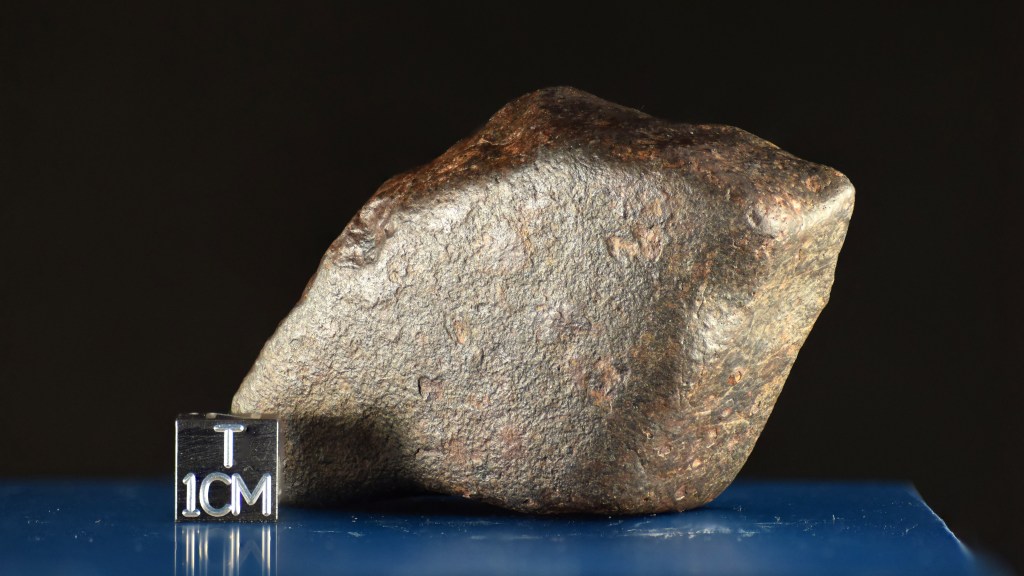
The specimen shown here preserves its original external morphology and is coated by a dark fusion crust, formed when the meteorite’s surface partially melted during its high-velocity passage through Earth’s atmosphere. A polished cross-section reveals a brecciated texture, indicating that the meteorite experienced multiple impact events on its parent body before reaching Earth.
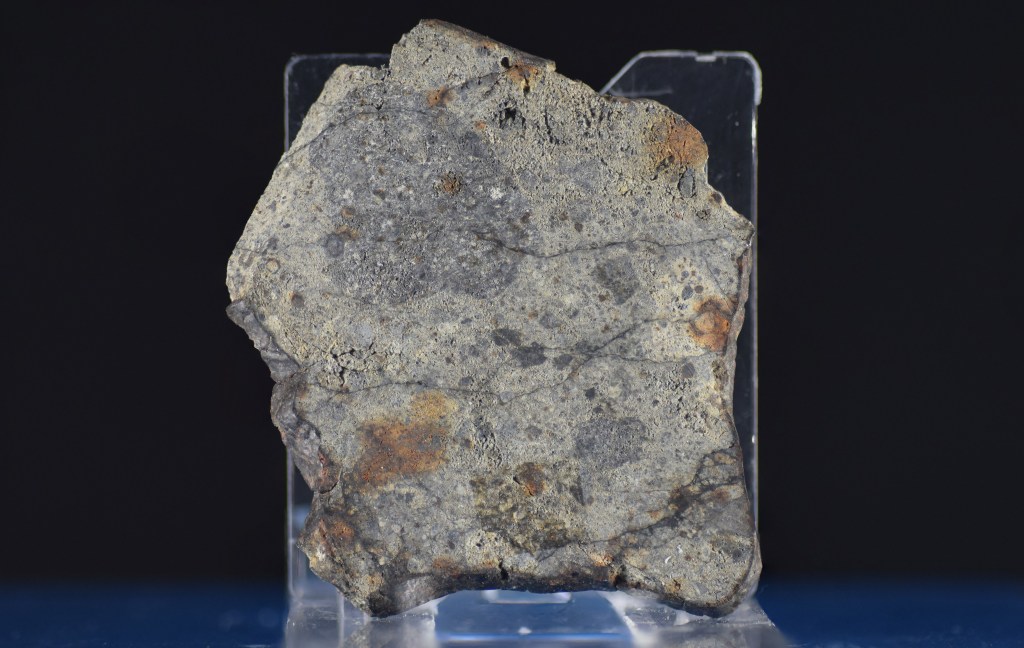
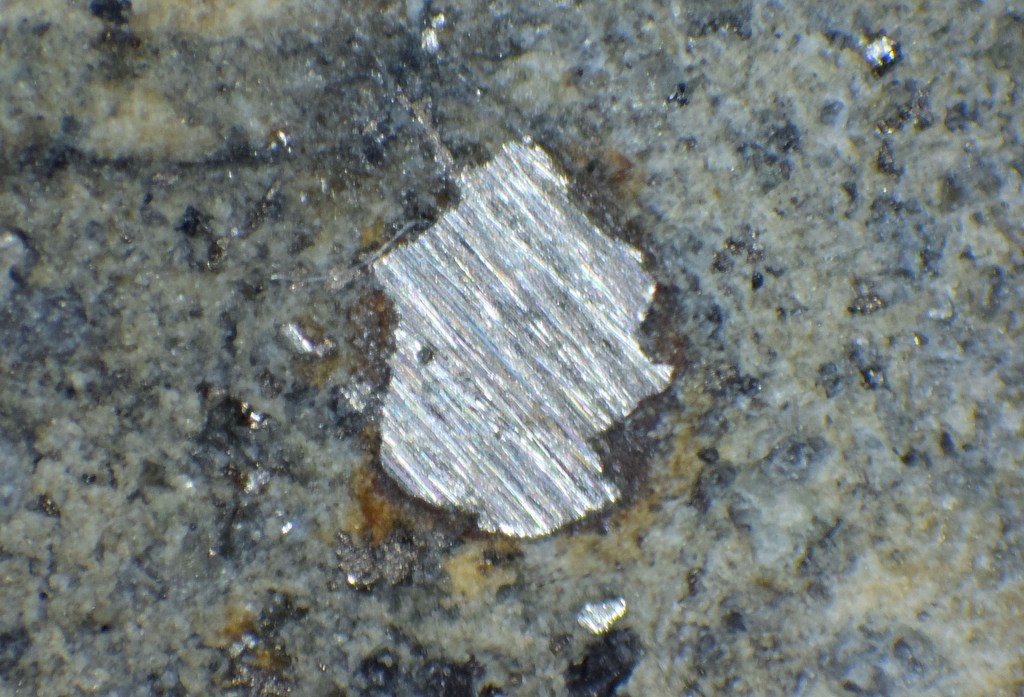
The section also displays metallic inclusions, primarily iron–nickel alloys, which are typical of chondritic meteorites and provide insights into early solar system redox conditions and thermal history.
4.3~4.1 Billion years ago
Zircons from the Jack Hills Metaconglomerates, Erawondoo Hill, Meekatharra, Western Australia
Hidden within the Jack Hills metaconglomerates of Western Australia lie some of the most extraordinary mineral grains ever found: detrital zircons (ZrSiO₄) dated between 4.4 Ga (an apparent 4463 ± 17 Ma million-year-old zircon crystal was described Ge et al., 2018) to 3.0 Ga, dating back to the Hadean Eon, a time when Earth was barely recognizable.
The Jack Hills metaconglomerates of Western Australia host some of the oldest known mineral grains on Earth: detrital zircons (ZrSiO₄) with ages reaching up to about 4.3 billion years, dating back to the Hadean Eon. These zircons were originally crystallized from ancient magmas and later eroded, transported, and deposited within sedimentary conglomerates, which were subsequently metamorphosed.
Despite the geological recycling and metamorphism experienced by their host rocks, Jack Hills zircons have remarkably preserved their primary isotopic and chemical signatures. U–Pb radiometric dating of these crystals provides robust age constraints, while oxygen and hafnium isotope analyses indicate that some zircons formed from magmas that interacted with liquid water at Earth’s surface. This suggests the presence of continental crust and possibly oceans within the first few hundred million years of Earth’s history.
The geochemistry and mineral inclusions of Jack Hills zircons suggest they derived largely from hydrous, sediment-bearing granitic magmas. Their relatively clement crystallization conditions imply a potentially habitable early Earth, leaving open the possibility of a Hadean (>4 Ga) biosphere.
Against this backdrop, Bell et al. (2015) screened a population of over 10,000 Jack Hills zircons and identified a single specimen older than 3.8 Ga hosting primary graphite inclusions. The primary nature of these inclusions was established by transmission X-ray microscopy, which confirmed their occurrence within a crack-free host, as well as by their characteristic crystal habit.
The carbon isotopic composition of these inclusions falls within the range typically associated with biogenic carbon, suggesting that a terrestrial biosphere may have been established as early as 4.1 Ga, approximately 300 million years before previous estimates. The most parsimonious interpretation is that the carbonaceous inclusions represent graphitized organic carbon that was already present at the time of pelitic protolith melting at 4.1 Ga. This reading is fully consistent with the low crystallization temperature, continental affinity, and reducing conditions inferred for the zircon’s formation environment.
While an abiogenic origin cannot be entirely excluded, the accumulation of a statistically robust dataset of Hadean carbon isotope measurements will be essential to evaluate, and potentially falsify, abiogenic hypotheses more rigorously.
https://www.nature.com/articles/s41467-020-14857-1
https://www.nature.com/articles/s41598-023-27843-6
https://www.nature.com/articles/321766a0
https://doi.org/10.1007/978-94-007-6326-5_95-2
https://www.pnas.org/doi/full/10.1073/pnas.1517557112
https://www.pnas.org/doi/full/10.1073/pnas.2525466123
4.157 Billion years ago
Cummingtonite Paragneiss, Nuvvuagittuq Greenstone Belt, Quebec, Canada
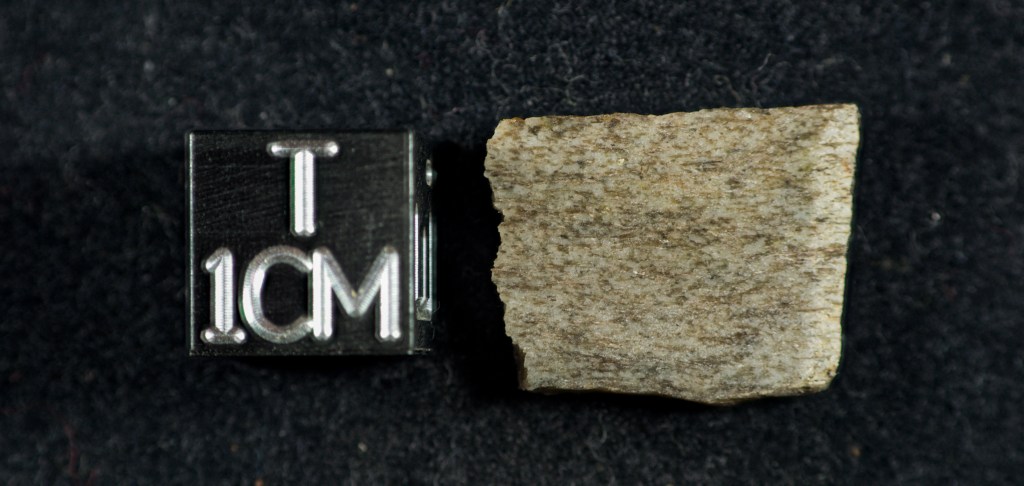
The cummingtonite paragneiss from the Nuvvuagittuq Greenstone Belt in northern Quebec represents a metamorphosed sedimentary protolith that is among the oldest known rocks on Earth, with ages exceeding 3.7 billion years and possibly reaching into the Hadean–Eoarchean transition.
This rock is characterized by the presence of cummingtonite, a magnesium-iron amphibole, together with quartz and feldspar, forming a well-developed gneissic foliation. Its mineralogy and geochemistry suggest derivation from iron- and silica-rich sediments, likely deposited in an early marine environment and later subjected to high-grade metamorphism.
In March 2017, a published report gave evidence for fossils of microorganisms in these rocks, which would be the oldest trace of life yet discovered on Earth. However, these traces may be abiogenic.
The cummingtonite paragneiss of Nuvvuagittuq provides key evidence for early sedimentation, crustal recycling, and hydrothermal activity on the young Earth, offering rare insight into the processes operating during the planet’s earliest geological history.
https://iugs-geoheritage.org/geoheritage_sites/the-hadean-to-eoarchean-nuvvuagittuq-greenstone-belt/
https://en.wikipedia.org/wiki/Nuvvuagittuq_Greenstone_Belt
https://www.sci.news/geology/hadean-nuvvuagittuq-greenstone-belt-14023.html
https://www.science.org/doi/10.1126/science.ads8461
4.031-3.58 Billion years ago
Acasta Tonalite Gneiss (Northwest Territories, Canada)
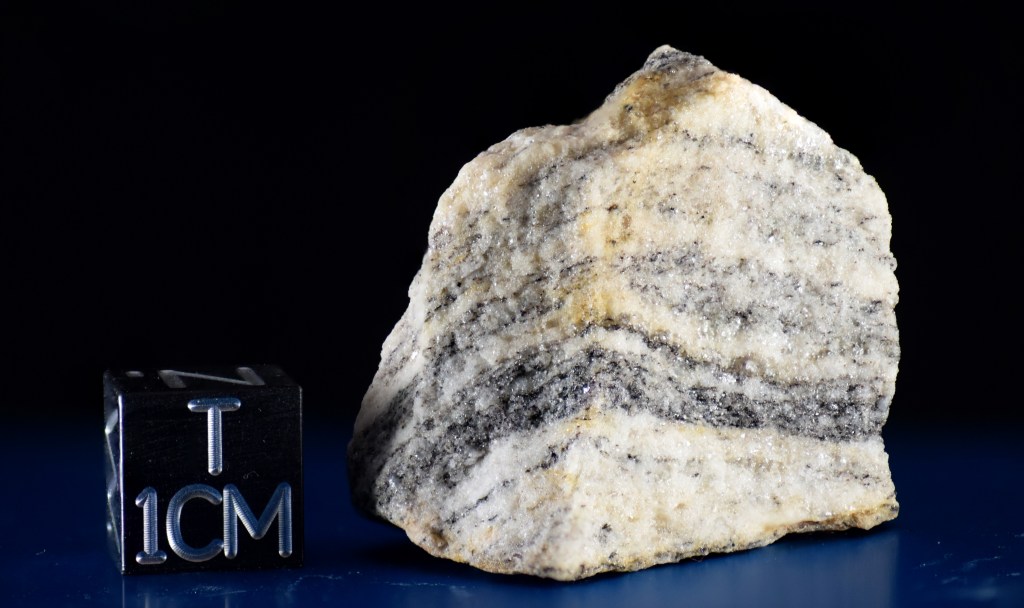
The Acasta Tonalite Gneiss, located in the Slave Craton of northwestern Canada, represents the oldest known intact rock assemblage on Earth, with crystallization ages reaching up to 4.03 billion years. This Archean orthogneiss formed from tonalitic magmas and was later subjected to high-grade metamorphism, which imparted its characteristic gneissic foliation.
Composed primarily of plagioclase feldspar, quartz, and minor mafic minerals, the Acasta gneiss provides crucial evidence for the existence of early continental crust shortly after Earth’s formation. U–Pb zircon dating reveals a complex history of magmatic crystallization, metamorphism, and partial melting, reflecting repeated crustal reworking during the early Archean.
The Acasta Tonalite Gneiss offers invaluable insights into the processes of early crust formation, the thermal regime of the young Earth, and the onset of long-lived continental lithosphere.
https://en.wikipedia.org/wiki/Acasta_Gneiss
https://weblex.canada.ca/html/017000/GSCC00053017221.html
https://www.sciencedirect.com/science/article/abs/pii/S0301926806002737
https://agupubs.onlinelibrary.wiley.com/doi/10.1029/2025GC012294?af=R
3.8878 Billion years ago
Isua Greenstone Belt (Greenland)
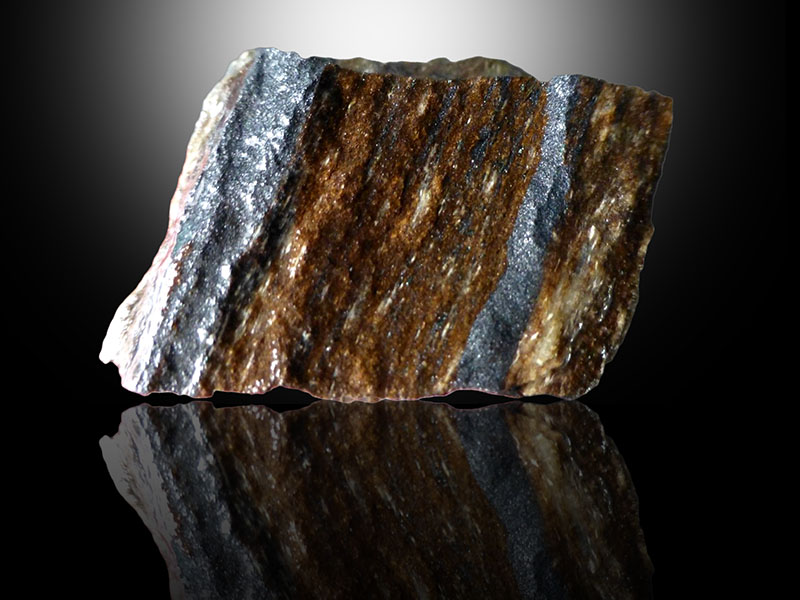
The Isua Greenstone Belt, located in southwestern Greenland, is one of the oldest well-preserved supracrustal sequences on Earth, with ages of approximately 3.7–3.8 billion years. It consists of a metamorphosed assemblage of volcanic and sedimentary rocks, including basaltic lavas, banded iron formations, cherts, and clastic sediments.
Despite having undergone amphibolite- to greenschist-facies metamorphism, the Isua rocks retain key geochemical and structural features that record processes active on the early Earth, such as oceanic volcanism, hydrothermal circulation, and early sedimentation. Some units preserve carbon-bearing phases and isotopic signatures that have been interpreted as potential evidence for early biological activity, though these interpretations remain debated.
https://en.wikipedia.org/wiki/Isua_Greenstone_Belt
https://www.sciencedirect.com/science/article/abs/pii/S0301926803000950
https://www.lyellcollection.org/doi/abs/10.1144/GSL.SP.2002.199.01.16
https://www.sciencedirect.com/science/article/abs/pii/S030192680000108X
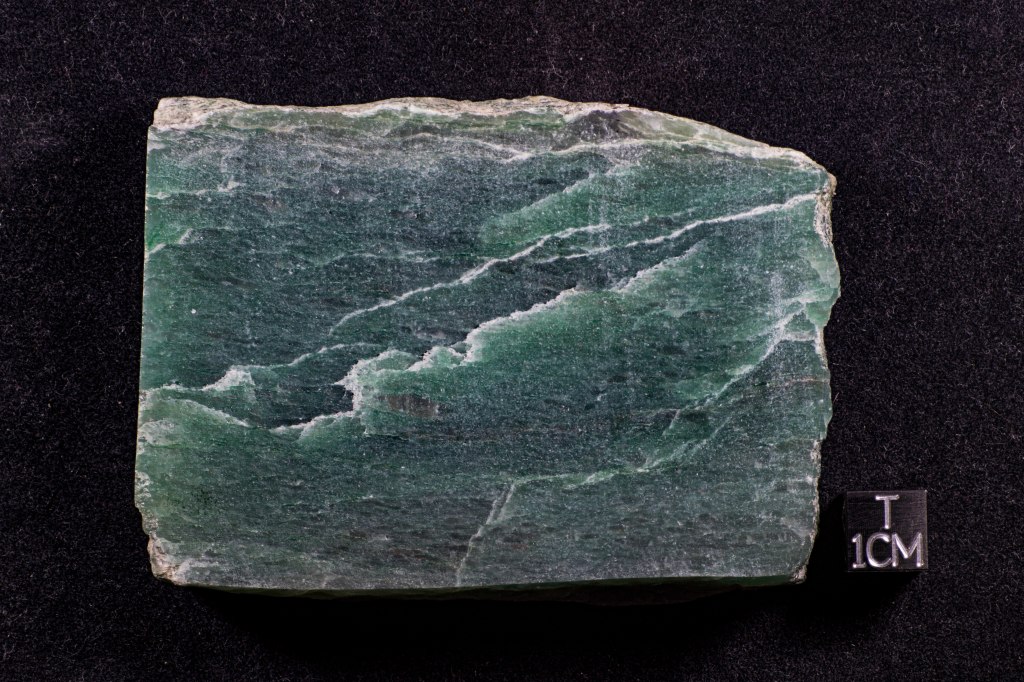
~3.8 Billion years ago
Greenlandite, Isua Greenstone Belt in southwestern Greenland
Greenlandite is a distinctive metamorphic rock first described from the Isua Greenstone Belt in southwestern Greenland, one of the oldest geological terrains on Earth (≈3.7–3.8 billion years old). It is characterized by an unusual mineral assemblage dominated by quartz, amphibole, and fuchsite, a chromium-rich variety of muscovite that imparts a striking green coloration to the rock.
Greenlandite formed through the metamorphism of iron-rich, silica-rich sedimentary precursors, likely deposited in early marine environments. Its unique composition reflects the interaction between hydrothermal fluids and early oceanic crust, offering valuable insights into Archean seawater chemistry and crust–ocean interactions.
As part of the Isua supracrustal sequence, greenlandite contributes to our understanding of early sedimentary processes, metamorphism, and the environmental conditions that prevailed on the early Earth.
https://nationalgemlab.in/greenlandite/
https://www.mdpi.com/2075-163X/9/8/497
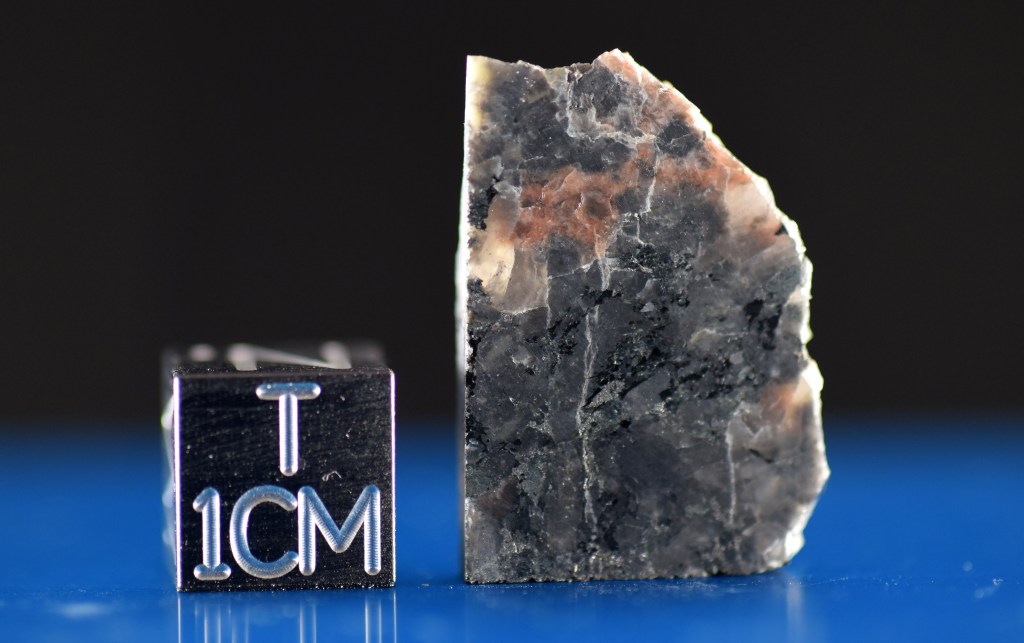
~3.6 Billion years ago
Morton Gneiss, Migmatitic Gneiss, Morton, Minnesota, USA (≈3.6 Ga)
The Morton Gneiss of southwestern Minnesota is an ancient migmatitic gneiss with an age of approximately 3.6 billion years, making it one of the oldest exposed rocks in North America. It formed as continental crust during the early Archean and was later subjected to intense high-temperature metamorphism and partial melting, producing its characteristic banded and veined migmatitic texture.
Composed mainly of quartz, feldspar, and biotite, the Morton Gneiss records multiple episodes of deformation, melting, and recrystallization, reflecting prolonged crustal reworking in Earth’s early history. Its complex fabric preserves evidence for early continental stabilization and the development of long-lived crustal roots.
https://en.wikipedia.org/wiki/Morton_Gneiss
https://www.mnhs.org/mnopedia/search/index/thing/morton-gneiss
https://pubs.geoscienceworld.org/gsa/books/edited-volume/317/chapter-abstract/3795616/Origin-of-the-Morton-Gneiss-southwestern-Minnesota?redirectedFrom=PDF
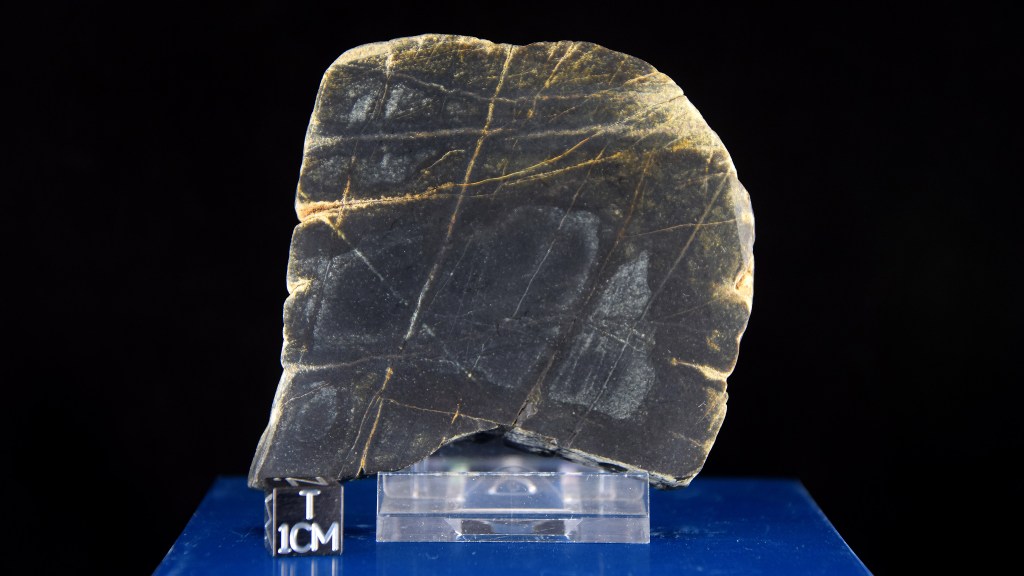
~3.4 Billion years ago
Komatiite, Komati Formation, Barberton Greenstone Belt, Kaapvaal Craton, South Africa
Komatiite is an ultramafic volcanic rock that erupted at extremely high temperatures and is characteristic of the early Archean Earth. The komatiites of the Komati Formation in the Barberton Greenstone Belt of South Africa, dated at approximately 3.4 billion years, are among the best-preserved examples of this rare magma type.
These lavas are distinguished by their very high magnesium content and their diagnostic spinifex texture, formed by rapid crystallization of skeletal olivine crystals. Komatiites provide direct evidence for a hotter mantle in Earth’s early history and offer critical insights into early mantle dynamics, crust formation, and the chemical evolution of the planet.
https://en.wikipedia.org/wiki/Barberton_Greenstone_Belt
https://www.sciencedirect.com/science/article/abs/pii/S0024493704000520
https://ajsonline.org/article/122938-geology-of-the-eastern-barberton-greenstone-belt-south-africa-early-deformation-and-the-role-of-large-meteor-impacts
https://www.atlas-hornin.sk/en/record/54/komatiite
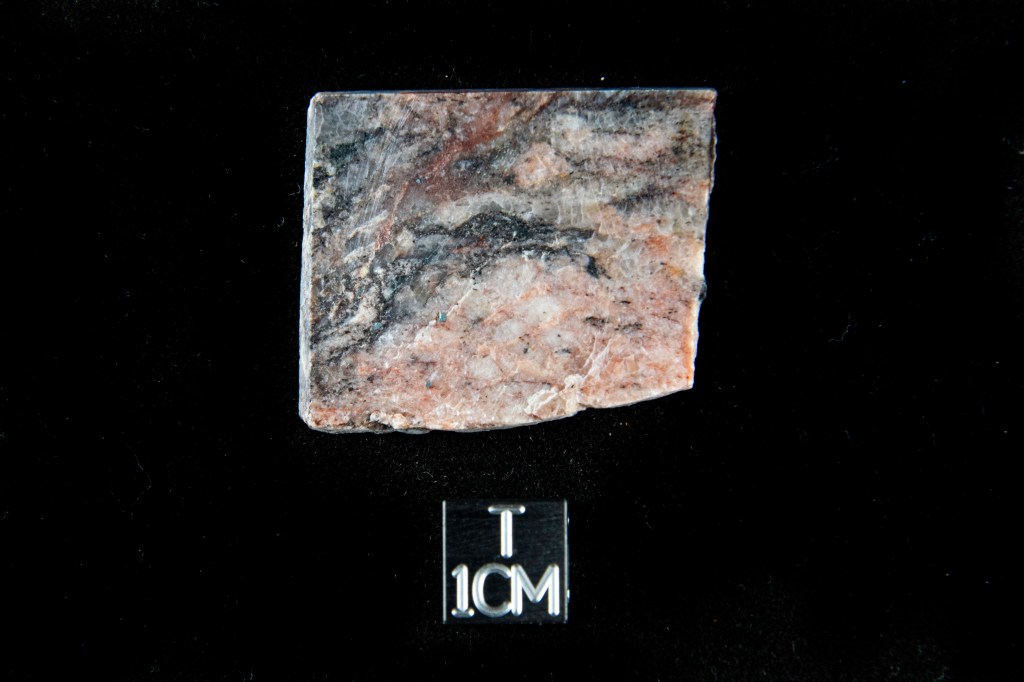
~3.0-2.7 Billion years ago
Lewisian Gneiss, Scourie Complex, Northern Scotland, UK
The Lewisian gneiss is a suite of high-grade Archaean metamorphic rocks exposed in the northwestern part of Scotland, forming part of the Hebridean Terrane. These rocks formed between approximately 3.0 and 2.7 billion years ago and represent the oldest rocks in the United Kingdom.
The dominant lithology consists of banded grey gneisses, typically granodioritic, tonalitic, or trondhjemitic in composition, reflecting early continental crust formation. The gneissic banding records intense deformation and high-grade metamorphism. The Lewisian complex forms the crystalline basement upon which the Stoer Group, Wester Ross Supergroup, and probably the Loch Ness Supergroup sediments were deposited.
During the Caledonian orogeny, the Lewisian gneiss was reworked and incorporated into major thrust systems, commonly occurring in the hanging walls of thrust faults formed during the later stages of this tectonic event.
https://en.wikipedia.org/wiki/Lewisian_complex
https://nora.nerc.ac.uk/518919/1/pre-proofs.pdf
~2.87 Billion years ago
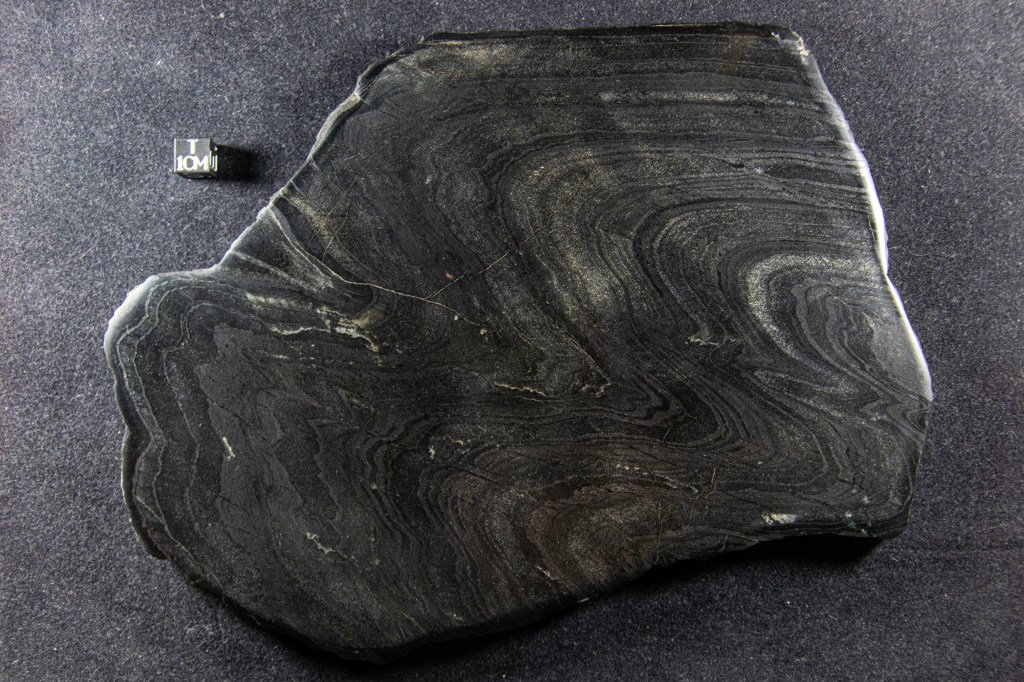
Banded Iron Formation – Goldman Meadows Formation, South Pass–Atlantic City Iron Mining District, Wyoming, USA
The Goldman Meadows Formation is part of the South Pass greenstone–supracrustal sequence in central Wyoming and includes banded iron formations (BIFs) that were historically mined in the Atlantic City–South Pass iron district. These rocks are generally interpreted as Paleoproterozoic to late Archean in age.
The BIFs consist of rhythmically layered iron-rich bands, dominated by hematite and magnetite, alternating with silica-rich chert layers. This chemical sedimentary layering reflects cyclic variations in ocean chemistry, likely controlled by hydrothermal iron input and episodic oxygenation of seawater.
Metamorphism during later tectonic events transformed the original chemical sediments into iron-rich metasedimentary rocks, locally upgrading iron concentrations and making them suitable for 19th–20th century iron mining. Although less famous than major BIF provinces, the Goldman Meadows Formation provides important evidence for early oceanic conditions, iron cycling, and crustal evolution within the Wyoming Craton.
https://www.wsgs.wyo.gov/products/wsgs-2024-ip-24.pdf
https://pubs.usgs.gov/pp/0793/report.pdf
https://www.wyoleg.gov/InterimCommittee/2015/09-0826APPENDIXD.pdf
≈2.73 Billion years ago
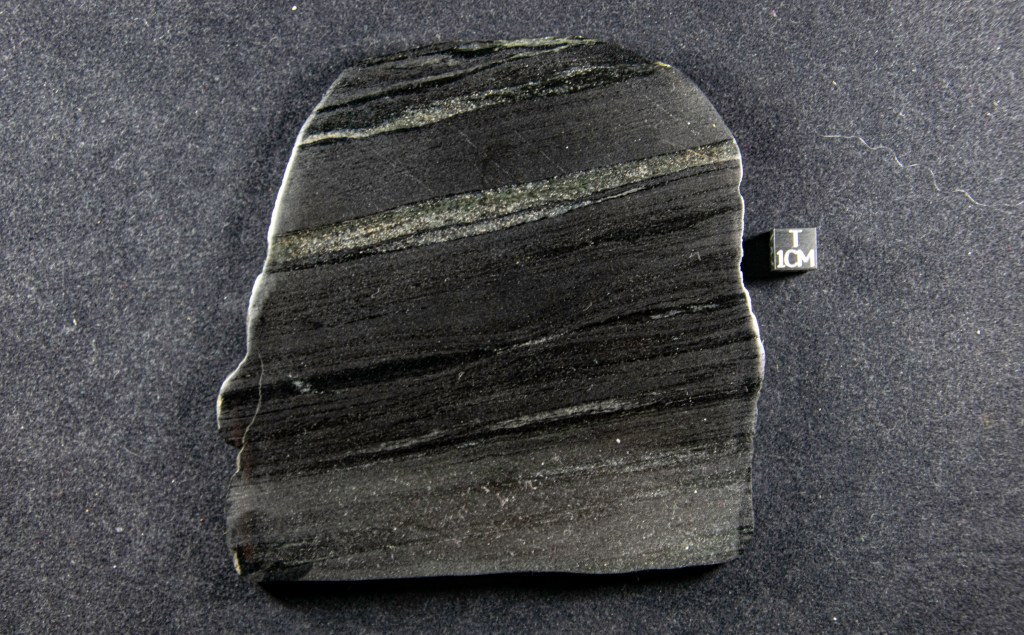
Banded Iron Formation – Jackson County Iron Formation, Wisconsin, USA
The Jackson County Iron Formation of Wisconsin is a classic Archean banded iron formation (BIF) dated to approximately 2.73 billion years ago. It formed as a chemical sediment in ancient oceans, where dissolved iron precipitated in response to changing seawater chemistry.
This BIF is characterized by alternating layers of iron oxides—primarily hematite and magnetite—and silica-rich chert, producing the distinctive rhythmic banding typical of iron formations worldwide. Its deposition reflects widespread hydrothermal iron input into Archean oceans and episodic oxygen production, likely linked to early microbial activity.
The Jackson County Iron Formation records key processes in early ocean chemistry and crustal evolution and represents part of the extensive iron-rich deposits that later became economically important during the development of the Lake Superior iron districts.
https://pubs.geoscienceworld.org/mac/canmin/article-abstract/22/4/605/11723/Metamorphic-petrology-of-the-Jackson-County-iron?redirectedFrom=PDF
https://www.sciencedirect.com/science/article/pii/S0012821X25004194
https://pubs.geoscienceworld.org/mac/canmin/article-abstract/22/4/605/11723/Metamorphic-petrology-of-the-Jackson-County-iron?redirectedFrom=fulltext
~2.63 Billion years ago
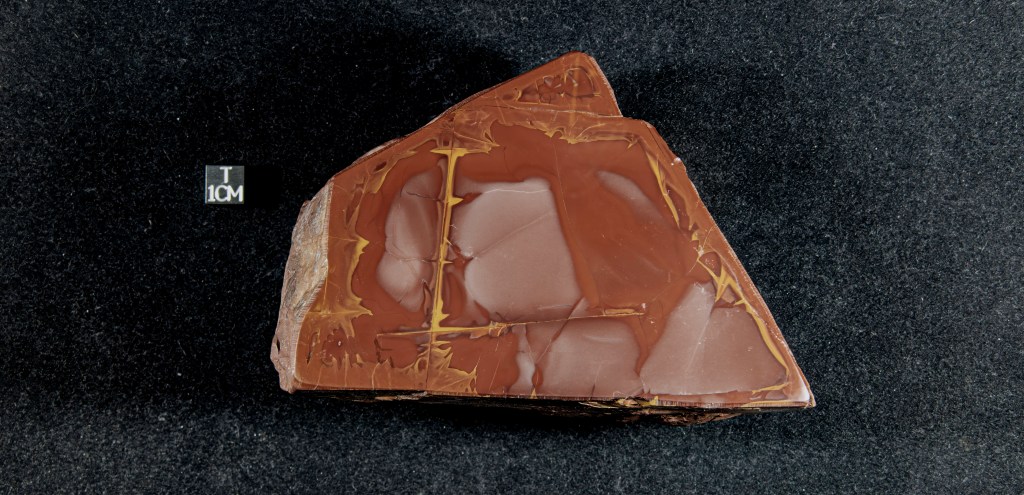
Noreena Jasper, Roy Hill ,Pilbara, Western Australia
Noreena Jasper is a distinctive silicified sedimentary rock occurring in the Roy Hill–Noreena Downs area of the Pilbara Craton, Western Australia. Despite its commercial designation as a “jasper,” it is petrographically interpreted as a silicified pelite (mudstone) rather than a true jasper sensu stricto.
The material originates from the Jeerinah Formation, which belongs to the Fortescue Group within the Hamersley Basin succession. These rocks were deposited during the Late Archaean, approximately 2.6 billions years ago, making Noreena Jasper part of one of the oldest preserved sedimentary sequences on Earth.
Geologically, the Noreena Jasper formed through silicification of fine-grained iron-rich mudstones, where silica-rich fluids replaced the original sediment during early diagenesis and later low-grade metamorphism. The characteristic angular fracture patterns and striking red, yellow, cream, and grey geometric motifs reflect original sedimentary structures enhanced by iron oxides and silica redistribution during alteration. Within the Roy Hill sector of the Pilbara, these deposits record sedimentation on stable continental crust shortly before the widespread volcanic and sedimentary events associated with early Fortescue Basin evolution. Consequently, Noreena Jasper represents a late Archaean continental-shelf or shallow basin sediment, formed prior to major Paleoproterozoic banded iron formation development in the region.
https://ui.adsabs.harvard.edu/abs/2017AGUFMPP21B1259H/abstract
< 2.7 Billion years ago
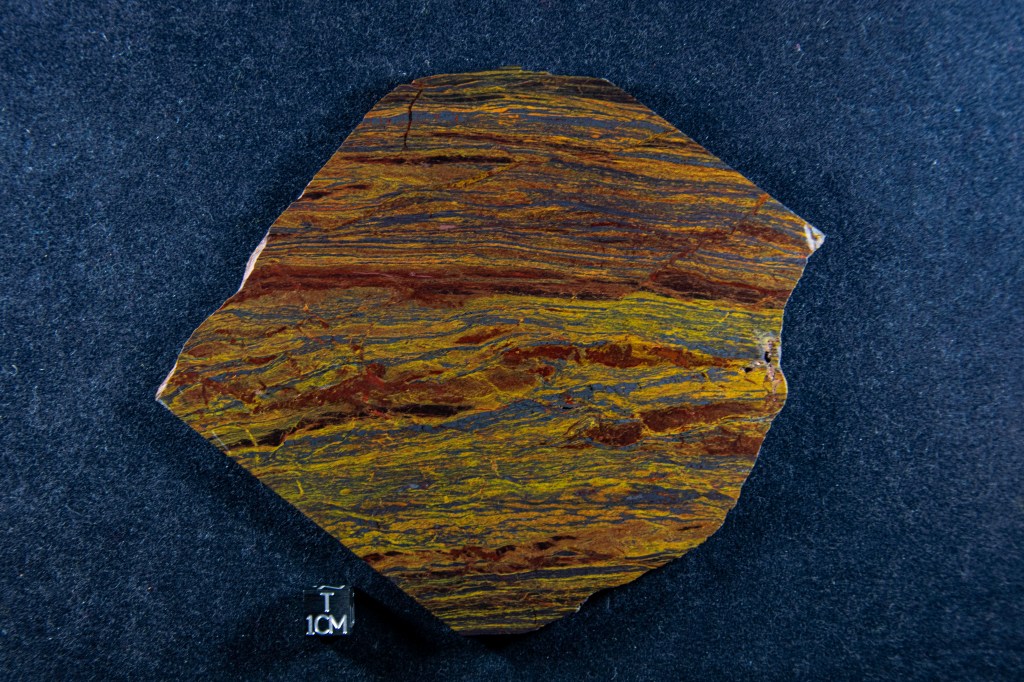
Copper Mountain “Looker Jasper”, Copper Mountain, near Thermopolis, Fremont County, Wyoming, USA
Copper Mountain Looker Jasper is a visually striking, silica-rich rock composed primarily of microcrystalline quartz (chalcedony), with vivid red, yellow, brown, and black patterns produced by varying concentrations of iron oxides and minor manganese. The term “Looker Jasper” is a lapidary and collector name, not a formal lithostratigraphic unit.
Geologically, this jasper formed through silicification of volcanic or sedimentary host rocks, likely associated with hydrothermal fluid circulation linked to igneous activity in the Copper Mountain area. Iron-rich fluids precipitated silica and iron oxides, producing the complex banding, brecciation, and scenic patterns characteristic of the material.
The Copper Mountain area lies within a region affected by Proterozoic basement rocks and later tectono-magmatic events, which provided the heat and fluids necessary for jasper formation. Today, Looker Jasper is valued primarily for its ornamental and lapidary qualities, but it also records localized hydrothermal processes and fluid–rock interaction in Wyoming’s complex geological history.
https://en.wikipedia.org/wiki/Copper_Mountain_(Wyoming)
https://www.wsgs.wyo.gov/products/wsgs-1985-ri-28.pdf
https://www.wsgs.wyo.gov/products/wsgs-1971-mr-01.pdf
2.5-2.0 Billion years ago
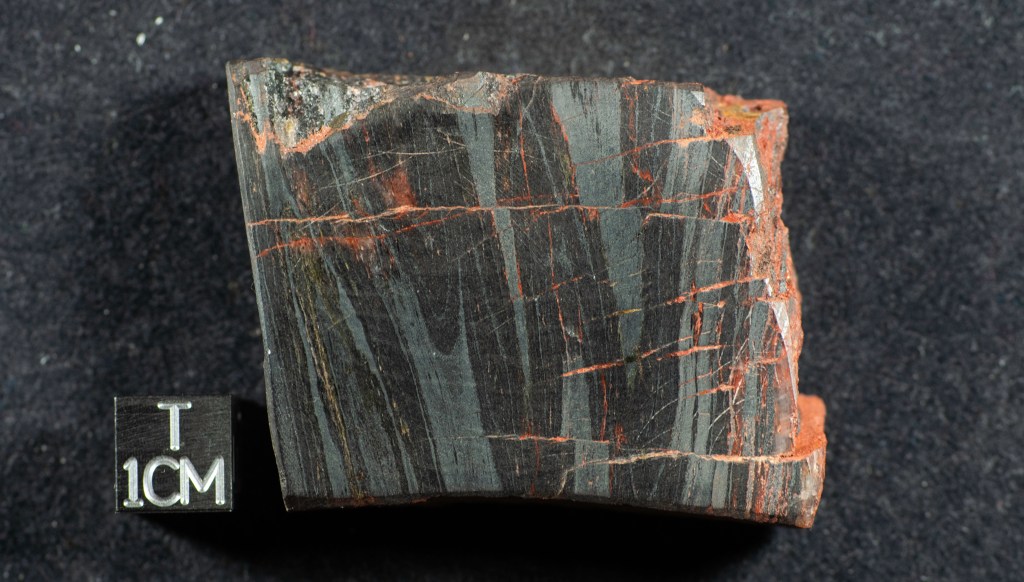
Jaspilite (Oxide-Rich Banded Iron Formation), Onot Iron Ore Region, Irkutsk, Siberia, Russia
Jaspilite is a variety of oxide-rich banded iron formation (BIF) composed of alternating layers of iron oxides, primarily hematite and magnetite, and silica-rich bands of chert or jasper. The jaspilites of the Onot Iron Ore Region in Siberia formed between approximately 2.5 and 2.0 billion years ago, during the Paleoproterozoic.
These rocks record major changes in Earth’s surface environments associated with the Great Oxidation Event, when increasing levels of atmospheric oxygen led to the widespread precipitation of dissolved iron from ancient oceans. The rhythmic banding reflects cyclical variations in ocean chemistry and biological or chemical oxygen production.
Jaspilite provides key evidence for the evolution of Earth’s early oceans and atmosphere and represents an important source of iron ore, linking planetary environmental change with economic geology.
https://pubs.usgs.gov/of/2004/1252/metallog_belt_map/metbelt_descript.pdf
https://pubs.usgs.gov/pp/1765/appendix_c/p1765_appendix_c.pdf
2.63 ~ 2.45 Billion years ago
(but possible much younger 1.4 to 1.1 Gy)
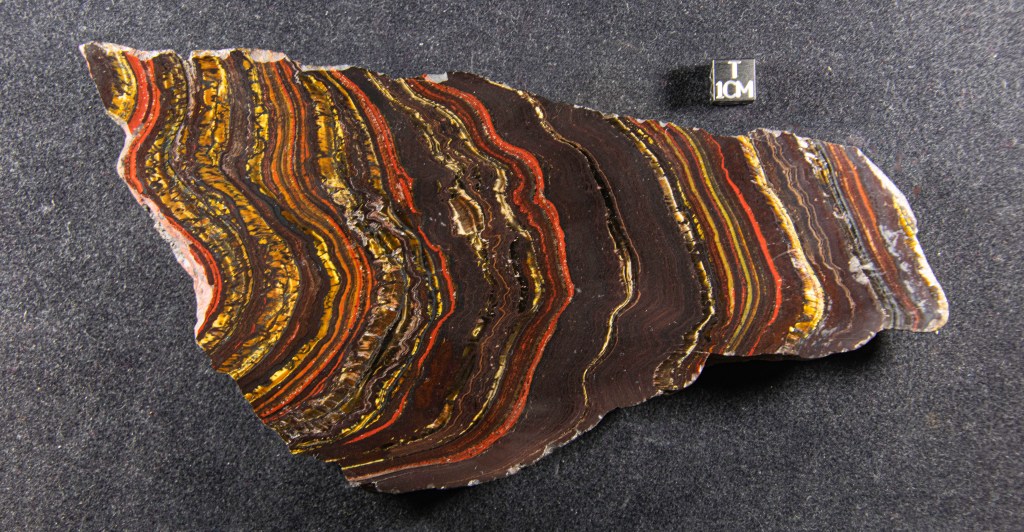
Banded Iron Formation – Hamersley Range, Pilbara Craton, northwestern Western Australia
The Hamersley Group is a major geological unit cropping out in the Hamersley Range on the Pilbara Craton in northwestern Western Australia. The Pilbara Craton itself is an ancient piece of continental crust with rocks extending back more than 3.4 billion years, but the Hamersley Group is younger, deposited in the late Archean to early Paleoproterozoic (~2.63–2.45 Ga).
Banded Iron Formations are ancient chemically precipitated sedimentary rocks with alternating layers of iron-rich minerals (typically magnetite Fe₃O₄ or hematite Fe₂O₃) and silica-rich chert. Globally they record major changes in Earth’s atmosphere and oceans during the Precambrian. The iron and silica precipitated from seawater as oxygen became available, largely produced by early photosynthetic organisms.
These BIFs include units such as the Marra Mamba Iron Formation, Brockman Iron Formation (notably the Dales Gorge Member), and Boolgeeda Iron Formation. They are typically 15–40 wt% iron originally, with fine interlayered iron oxides and silica. An interesting variant such as Jaspilite (“tiger iron”), as visible below, is an attractive banded rocks of hematite and red chert characteristic of the Hamersley Range.
https://library.dbca.wa.gov.au/FullTextFiles/026641.001.pdf
https://doi.org/10.5382/Rev.15.08
https://www.pnas.org/doi/10.1073/pnas.2405741121
https://portergeo.com.au/database/mineinfo.php?mineid=mn325
2.426 +/- 0.32 Billion years ago
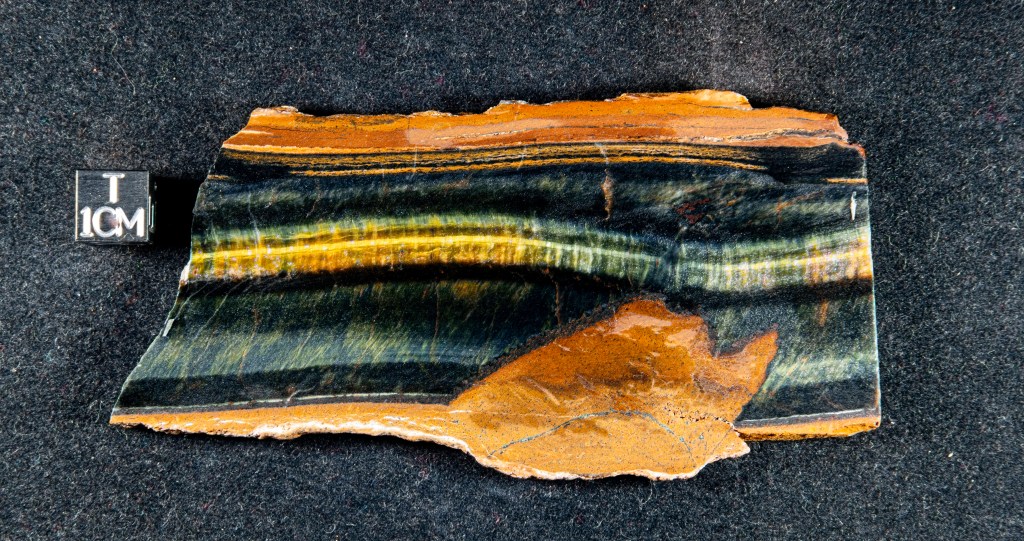
Hawk’s eye (Blue Tiger’s eye), Asbestos Hills Subgroup, Griquatown Iron Formation, Griqualand West, Northern Cape, South Africa
Griqualand West (Northern Cape, South Africa) is a globally significant iron and manganese province hosted within the Transvaal Supergroup (Ghaap and Postmasburg Groups) of the Kaapvaal Craton. The succession records a mixed siliciclastic–carbonate platform evolving upward into banded iron formations and manganese-rich units.
The rocks of this region are key to understanding the Great Oxidation Event (GOE) and “snowball Earth” scenarios, as they record a 100 million-year cold-climate episode.
The region is also the principal source of hawk’s eye and tiger’s eye, ornamental stones distinguished by their fibrous texture and pronounced chatoyancy. Their formation is governed by a crack-seal mechanism in quartz veins containing crocidolite. Repeated fracturing allowed silica- and iron-rich fluids to infiltrate, precipitating quartz while crocidolite fibers grew along fracture surfaces. Successive sealing and shear displacement produced banded quartz with discontinuous, diagonally arranged fibers, characteristic of hawk’s eye. Oxidation of iron within crocidolite subsequently generated the golden-brown coloration typical of tiger’s eye.
Discovered in large quantities in South Africa during the late 19th century, these stones transitioned from European rarity to globally distributed ornamental material, remaining popular today for their distinctive optical properties.
https://www.psu.edu/news/research/story/structure-tiger-eye-reevaluated-after-125-years
https://www.sciencedirect.com/science/article/abs/pii/089953629390162J
https://journals.co.za/doi/pdf/10.10520/AJA00382353_9420
2.46 Billion years ago
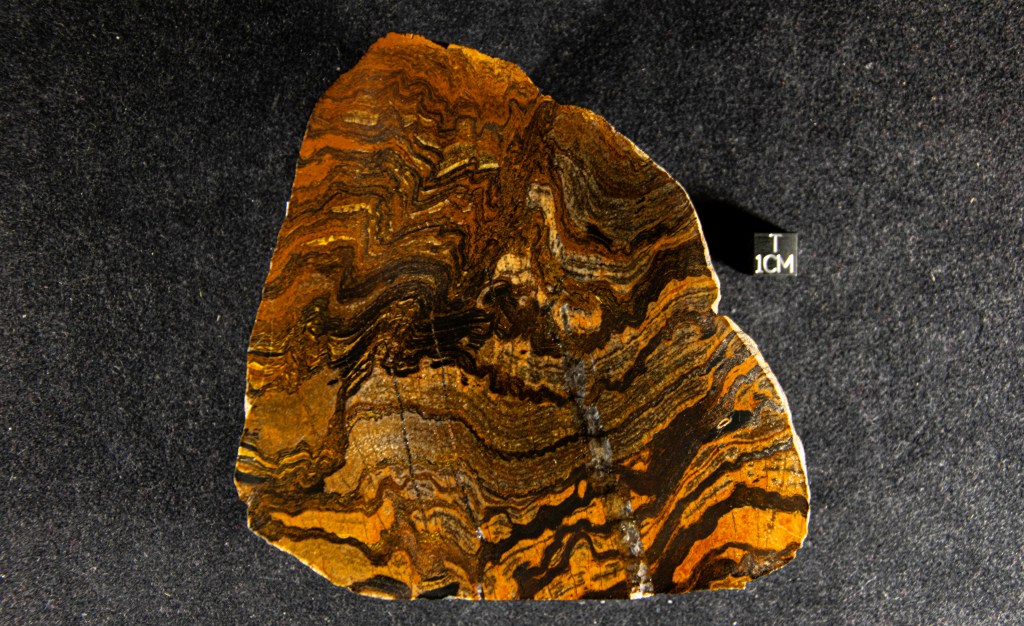
Banded Iron Formation – Kuruman Iron Formation
The Kuruman Iron Formation is a Palaeoproterozoic banded iron formation (BIF) within the Asbestos Hills Subgroup of the Transvaal Group in the Griqualand West Basin of the Northern Cape Province, South Africa. It consists of chemically precipitated sedimentary rocks characterized by alternating iron-rich and silica-rich bands, typical of BIF lithologies worldwide, reflecting deposition in early Precambrian marine environments under low-oxygen conditions.
Stratigraphically, the Kuruman BIF comprises several members, among which the Groenwater Member is notable for its rhythmically interlayered chert and iron oxide bands. This member represents a shallowing-upward depositional trend from deeper water facies toward more near-surface iron and silica precipitation, recording shifts in basin chemistry and water depth during the Palaeoproterozoic.
Geochronological studies date the Kuruman Iron Formation to approximately 2.46 billion years ago, placing its deposition near the peak of global BIF accumulation and contemporaneous with major changes in Earth’s atmospheric chemistry during the transition from anoxic to oxygenated conditions.
In the field, these rocks display fine micro- to mesobanding of iron oxides (magnetite, hematite) and silica (chert), with subordinate iron silicates and carbonates, a textural signature indicative of precipitation from iron-rich seawater under fluctuating redox conditions.
https://www.researchgate.net/publication/223799368_SHRIMP_U-Pb_zircon_ages_for_the_Palaeoproterozoic_Kuruman_Iron_Formation_Northern_Cape_Province_South_Africa_Evidence_for_simultaneous_BIF_deposition_on_Kaapvaal_and_Pilbara_Cratons
https://www.researchgate.net/publication/371695383_Petrographic_and_Diagenetic_Characteristics_of_Banded_Iron-Formation_BIF_A_Case_Study_of_The_Kuruman_Formation_Transvaal_Supergroup_in_the_Prieska_Area_Northern_Cape_Province_South_Africa
2.406 +/- 350Ma Billion years ago
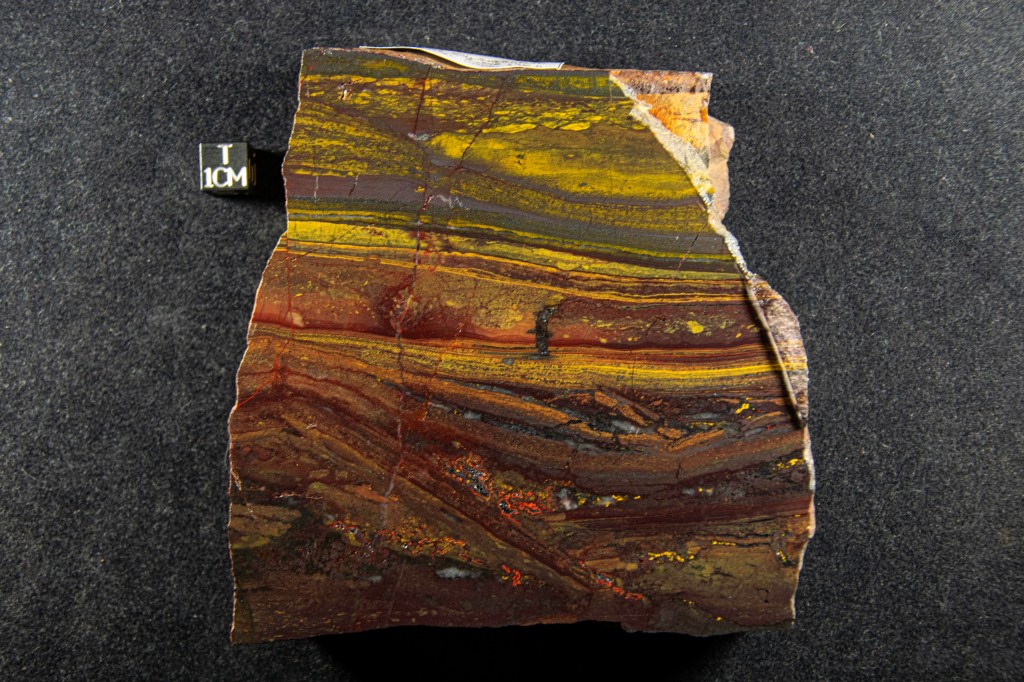
Banded Iron Formation – Saksagan (Saxagan) Group, Krivoy Rog Supergroup, Central Ukraine
The Saksagan Group of the Krivoy Rog Supergroup hosts some of the most extensive and economically significant banded iron formations (BIFs) in the world. These iron-rich metasedimentary rocks formed during the Paleoproterozoic, within the Ukrainian Shield of the East European Craton.
The BIFs are composed of rhythmically alternating layers of iron oxides—primarily hematite and magnetite—and silica-rich chert or quartzite, locally accompanied by carbonate and silicate iron formations. Their deposition reflects large-scale chemical precipitation of iron from ancient oceans, driven by changing redox conditions and increasing oxygen availability during the run-up to and aftermath of the Great Oxidation Event.
Subsequent regional metamorphism and deformation transformed these chemical sediments into iron-rich banded rocks, concentrating iron and creating some of Europe’s largest iron ore deposits. The Saksagan BIFs thus provide key evidence for early ocean–atmosphere evolution, Archean–Proterozoic crustal development, and the linkage between global environmental change and ore formation.
https://ucrisportal.univie.ac.at/en/publications/geochemistry-of-the-krivoy-rog-banded-iron-formation-ukraine-and-/
https://www.lyellcollection.org/doi/abs/10.1144/gsl.sp.1997.119.01.04
https://www.sciencedirect.com/science/article/abs/pii/S0301926815003101?via%3Dihub
2.090±2.70 – 1.980±0.27 Billion years ago
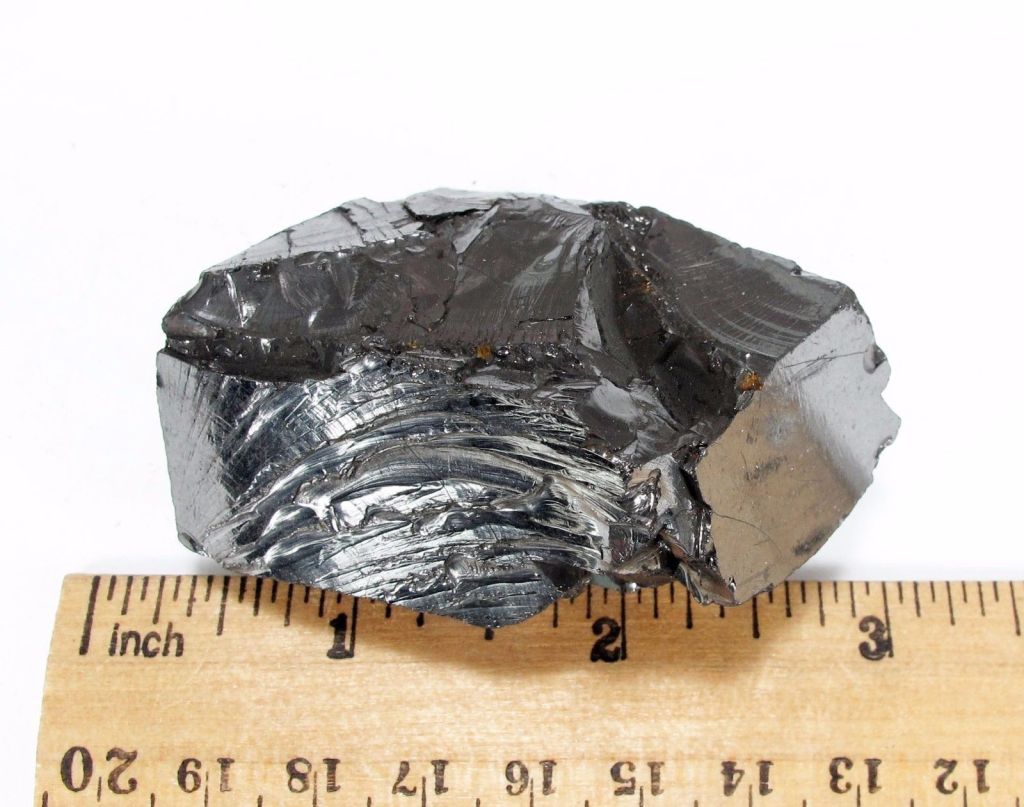
Shungite – Zazhoginskoye Deposit, Lake Onega, Republic of Karelia, NW Russia
Shungite is a rare carbon-rich rock from the Paleoproterozoic, composed predominantly of non-crystalline (amorphous) carbon intimately mixed with silicate minerals. The shungite deposits of the Zazhoginskoye area, near Lake Onega in northwestern Russia, formed between approximately 2.09 and 1.98 billion years ago.
Shungite is thought to originate from the accumulation and subsequent metamorphism of organic-rich sediments, possibly derived from early biological activity in Paleoproterozoic marine environments. Its formation is closely linked to major environmental changes following the Great Oxidation Event, reflecting increased biological productivity and carbon burial.
Because of its unique composition and antiquity, shungite provides valuable insights into the early carbon cycle, the evolution of life, and the geochemical conditions of Earth’s surface environments during the Paleoproterozoic.
https://shungite-c60.com/what-is-elite-shungite/
https://karelianheritage.com/shungite-blog/shungite-origins-where-does-your-shungite-come-from
https://grokipedia.com/page/zazhoginskoye
To be continued…
 Extreme macro and Paleontology